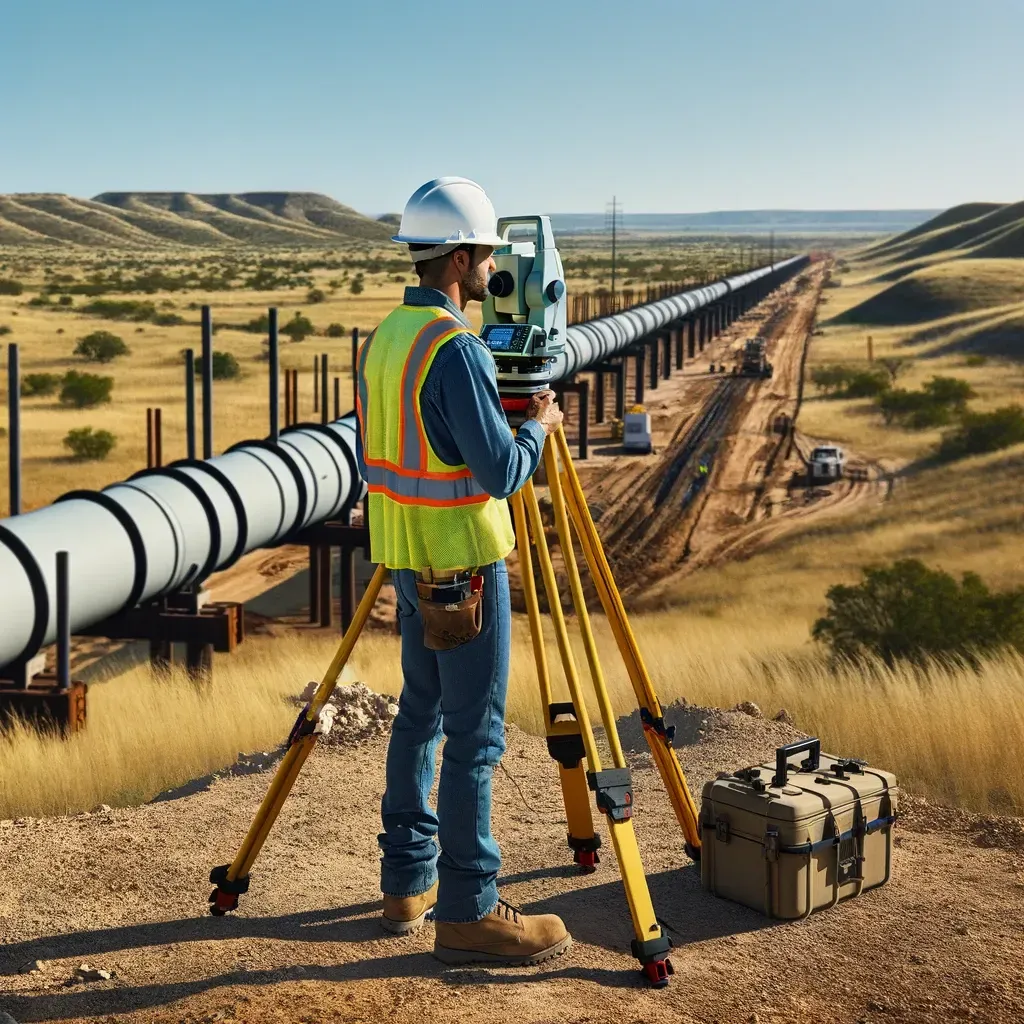
Why Access and Frontage Matter for Commercial Property
"Texas, often referred to as the Lone Star State, is a thriving hub for economic growth and innovation, making it an attractive destination for commercial real estate investment." - Chris Evans
Why Access and Frontage Matter When Buying Commercial Property
When evaluating commercial property, most buyers focus on location.
But within that location, one factor matters more than almost anything else:
Access.
You can have a great property in a strong area — but if access is limited, the value drops quickly.
What “Access” Really Means
Access refers to how people and vehicles enter and exit a property.
This includes:
Driveways
Entry points from main roads
Shared access agreements
Internal circulation
It’s not just about visibility — it’s about usability.
Frontage Drives Exposure and Traffic
Frontage is the amount of property that directly touches a roadway.
More frontage typically means:
Better visibility
Easier entry
Higher traffic exposure
Stronger commercial appeal
For retail and service businesses, frontage can directly impact revenue potential.
Not All Access Is Equal
Two properties may sit on the same road — but perform very differently.
Things to look for:
Median restrictions (can customers turn in easily?)
Shared driveways with neighboring properties
Limited entry points
Traffic flow patterns
Poor access can reduce convenience for customers and deliveries.
Surveys Help Confirm Access Rights
Not all access is obvious during a site visit.
A survey helps verify:
Legal ingress and egress
Easement-based access
Property boundaries near entry points
Right-of-way limits
This ensures the access you see is actually documented and protected.
Bottom Line
Access and frontage play a major role in how commercial property performs — both operationally and financially.
At South Texas Surveying, we help Houston commercial buyers verify access and property layout so they can make smarter investment decisions.

