Commercial Surveying for Investment Properties in Austin
"Texas, often referred to as the Lone Star State, is a thriving hub for economic growth and innovation, making it an attractive destination for commercial real estate investment." - Chris Evans
Commercial Surveying for Investment Properties in Austin
The commercial real estate market in Austin, Texas, has been experiencing unprecedented growth, attracting investors from across the country. As the demand for prime real estate continues to rise, commercial surveys have become a vital part of the investment process. These surveys provide investors with critical information about the properties they are acquiring, ensuring that they understand the legal, topographical, and boundary-related aspects of their investment. In this article, we will explore the importance of commercial surveying for investment properties in Austin and why accurate surveys are a top priority for investors.
Introduction to Commercial Surveying in Austin
A commercial survey is a detailed assessment of a property’s physical and legal attributes, typically conducted before any purchase, development, or construction. For investors, these surveys offer essential insights into the property’s boundaries, easements, zoning, and potential issues that could impact its value or development potential. In Austin, with its rapidly growing real estate market, these surveys are critical for making informed investment decisions.
Austin’s unique landscape and zoning laws make it particularly important for investors to prioritize commercial surveys. With large-scale developments on the rise, accurate and thorough surveying helps ensure compliance with local regulations and prevents costly legal disputes.
The Growing Appeal of Austin’s Commercial Real Estate Market
Austin has rapidly emerged as one of the hottest commercial real estate markets in the United States. Investors are drawn to the city due to its booming economy, thriving tech industry, and vibrant cultural scene.
Austin’s Economic Boom and Its Impact on Real Estate
Austin’s population has grown significantly over the past decade, driven by a thriving job market, particularly in the tech sector. Major corporations, such as Tesla and Apple, have established significant presences in the area, fueling demand for commercial properties. The economic growth has resulted in an increase in new developments, including office buildings, retail spaces, and industrial properties.
Rise of Investment Opportunities in Austin
Investors are capitalizing on Austin’s economic expansion by acquiring commercial properties, either for immediate development or long-term investment. The increasing property values in Austin present a strong potential for returns, making it an attractive option for both domestic and international investors.
Commercial Properties as Prime Investment Targets
Commercial properties, including office complexes, retail centers, and mixed-use developments, are particularly sought after in Austin. With the growing demand for business and retail spaces, investors are keen to secure properties in strategic locations. However, before finalizing deals, investors must ensure the accuracy of property details through comprehensive commercial surveys.
Importance of Accurate Commercial Surveys for Investors
For investors, purchasing commercial real estate is a significant financial decision that requires meticulous due diligence. Accurate commercial surveys play a critical role in this process by providing a clear understanding of the property’s features, boundaries, and legal limitations.
Defining Property Boundaries with Precision
Commercial surveys ensure that the property’s boundaries are accurately defined, preventing potential boundary disputes with neighboring properties. Clear boundary identification is essential for investors to avoid encroachments and legal challenges after the property purchase.
Ensuring Compliance with Zoning and Building Codes
In Austin, commercial properties are subject to specific zoning regulations and building codes. A commercial survey provides investors with detailed information about the property’s zoning classification, ensuring that the planned use aligns with city ordinances. Investors can also use surveys to verify whether existing structures comply with local building codes, avoiding potential fines or restrictions.
Mitigating Legal Risks for Investors
Investing in commercial properties involves inherent risks, but a comprehensive land survey helps minimize these risks by revealing potential issues before the transaction is finalized. Surveyors can identify any legal encumbrances, such as easements or rights of way, that could affect the property’s use or development potential. By addressing these concerns early, investors can avoid future legal disputes and financial losses.
Types of Commercial Surveys for Austin Investment Properties
There are several types of commercial surveys available to investors, each designed to address specific aspects of a property. Depending on the project’s scope and the investor’s needs, different survey types may be required.
ALTA/NSPS Land Title Surveys
An ALTA/NSPS Land Title Survey is one of the most comprehensive surveys available for commercial properties. It provides detailed information on property boundaries, easements, encroachments, and improvements. This type of survey is often required by lenders and title companies as part of the due diligence process for commercial real estate transactions.
Boundary and Location Surveys
A boundary and location survey defines the exact perimeter of a property and identifies any structures or improvements on the land. This survey is essential for ensuring that the property boundaries align with legal descriptions and that all improvements are within the property’s limits.
Topographic Surveys for Development and Planning
A topographic survey provides detailed information about the natural and man-made features of a property, including elevation changes, drainage patterns, and existing infrastructure. This data is critical for investors planning to develop or modify a property, as it helps guide design and construction decisions.
Subdivision Surveys for Large Properties
For investors interested in subdividing a large property into smaller lots, a subdivision survey is required. This type of survey outlines the division of land into separate parcels, ensuring compliance with local subdivision regulations and helping investors maximize the property’s potential.
Common Surveying Challenges in Austin’s Commercial Real Estate
While commercial surveys provide critical information for investors, conducting them in Austin’s real estate market comes with its own set of challenges.
Navigating Austin’s Unique Zoning Laws
Austin’s zoning laws are complex and vary by neighborhood and district. Surveyors must have a deep understanding of these regulations to ensure that the property complies with local zoning ordinances. In some cases, investors may need to apply for zoning variances or exceptions, which requires precise survey data.
Managing Environmental and Ecological Concerns
Austin places a high value on environmental preservation, particularly when it comes to protecting waterways, green spaces, and endangered species. Surveyors must assess any environmental restrictions on the property, such as proximity to wetlands or protected habitats, which could limit development opportunities.
Dealing with Historical Preservation Zones
Parts of Austin are designated as historical preservation zones, which impose additional restrictions on development and modifications to existing structures. Surveyors must account for these limitations in their assessments to ensure that investors do not violate preservation laws.
The Role of Technology in Modern Commercial Surveys
Technological advancements have significantly improved the accuracy and efficiency of commercial land surveys, providing investors with more detailed and reliable data.
Use of GPS and Laser Scanning for Precision
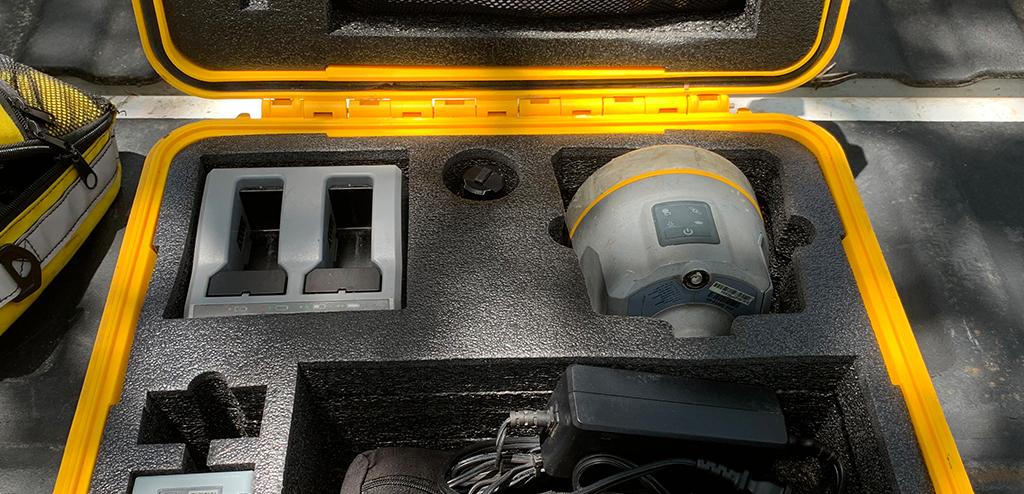
Modern surveyors use GPS (Global Positioning System) and laser scanning technologies to accurately measure land and structures. These tools allow surveyors to capture precise data, even in challenging environments, ensuring that property boundaries and features are mapped with high accuracy.
Drones for Aerial Mapping and Data Collection
Drones are increasingly being used in commercial surveys for aerial mapping and data collection. Drones provide high-resolution images of the property, which are used to create detailed maps and models. This technology is especially useful for large properties or areas with difficult terrain.
Geographic Information Systems (GIS) for Detailed Analysis
GIS (Geographic Information Systems) technology allows surveyors to analyze and visualize spatial data in greater detail. GIS tools can layer various data points, such as topography, boundaries, and infrastructure, providing investors with a comprehensive view of the property and its surroundings.
Why Investors Should Prioritize Commercial Surveys
Investors in Austin’s competitive real estate market should prioritize commercial surveys to protect their investments and ensure the success of their projects.
Avoiding Disputes Over Property Boundaries
Accurate boundary data helps investors avoid disputes with neighboring property owners and ensures that all improvements and developments are made within legal property limits. A survey also clarifies any potential encroachments that could lead to legal conflicts.
Facilitating Smooth Real Estate Transactions
Commercial surveys are often required by lenders and title companies as part of the real estate transaction process. Providing a complete and accurate survey helps facilitate smooth transactions and ensures that all parties are confident in the property’s legal status.
Increasing Property Value and Attracting Buyers
Properties with up-to-date surveys are more attractive to buyers and investors. A current survey demonstrates that the property has been properly assessed and complies with local regulations, which can increase its market value and reduce risks for future buyers.
Selecting the Right Surveyor for Investment Properties in Austin
Choosing the right surveyor is critical for ensuring that the survey meets the needs of the investor and complies with local regulations.
Experience with Austin’s Commercial Market
Investors should look for surveyors with extensive experience in Austin’s commercial real estate market. A surveyor who understands the city’s unique landscape, zoning laws, and environmental regulations is more likely to provide accurate and reliable results.
Local Knowledge of Zoning and Regulatory Requirements
Austin’s zoning and regulatory environment can be complex, particularly for commercial properties. Surveyors with local knowledge can help investors navigate these challenges and ensure that their property complies with all applicable laws.
Use of Modern Surveying Technology
Surveyors who use modern technology, such as drones, GPS, and GIS systems, are able to provide more accurate and comprehensive data. Investors should prioritize surveyors who utilize these tools to ensure that they receive the best possible information about their property.
Frequently Asked Questions (FAQs)
What is included in a commercial survey?
A commercial survey includes boundary identification, easements, encroachments, topographical data, and legal descriptions of the property. It may also include zoning information, environmental assessments, and details on any existing structures or improvements, depending on the specific type of survey.
How long does it take to complete a commercial survey in Austin?
The time required to complete a commercial survey depends on the size and complexity of the property. A smaller property may take a few days, while larger or more complex sites could take a few weeks. Factors such as accessibility, terrain, and required data accuracy can also affect the timeline.
What are the costs of commercial surveys for investment properties?
The cost of a commercial survey varies based on several factors, including the size of the property, the type of survey required, and the level of detail needed. ALTA/NSPS surveys, which are more comprehensive, typically cost more than basic boundary or location surveys. It’s important to request a detailed quote from a licensed surveyor in Austin.
Why are ALTA/NSPS surveys important for investors?
An ALTA/NSPS Land Title Survey is critical for investors because it provides a detailed view of the property’s boundaries, easements, and encroachments, and ensures compliance with title insurance requirements. This type of survey is often required by lenders and title companies before a commercial real estate transaction can proceed, making it a key part of due diligence for investors.
Can a survey help resolve property disputes before purchasing?
Yes, a commercial survey can identify potential issues such as boundary disputes, encroachments, or easements that could lead to legal conflicts. By conducting a thorough survey before purchasing a property, investors can resolve these issues early, reducing the risk of future disputes or costly litigation.
How often should commercial surveys be updated?
Commercial surveys should be updated whenever there are significant changes to the property, such as new construction, changes in zoning, or subdivision of the land. Investors should also update surveys before any major transactions, such as buying or selling the property, to ensure that the data is current and accurate.
The Importance of Commercial Surveys in Austin’s Investment Market
Accurate commercial surveying is a critical part of the real estate investment process in Austin’s competitive market. As the city continues to expand, investors must prioritize detailed surveys to ensure that their property complies with zoning laws, avoids boundary disputes, and meets development potential. By working with experienced, local surveyors and utilizing modern surveying technologies, investors can mitigate risks and maximize their property’s value, making commercial surveys an indispensable tool for successful investment in Austin’s thriving real estate market.

