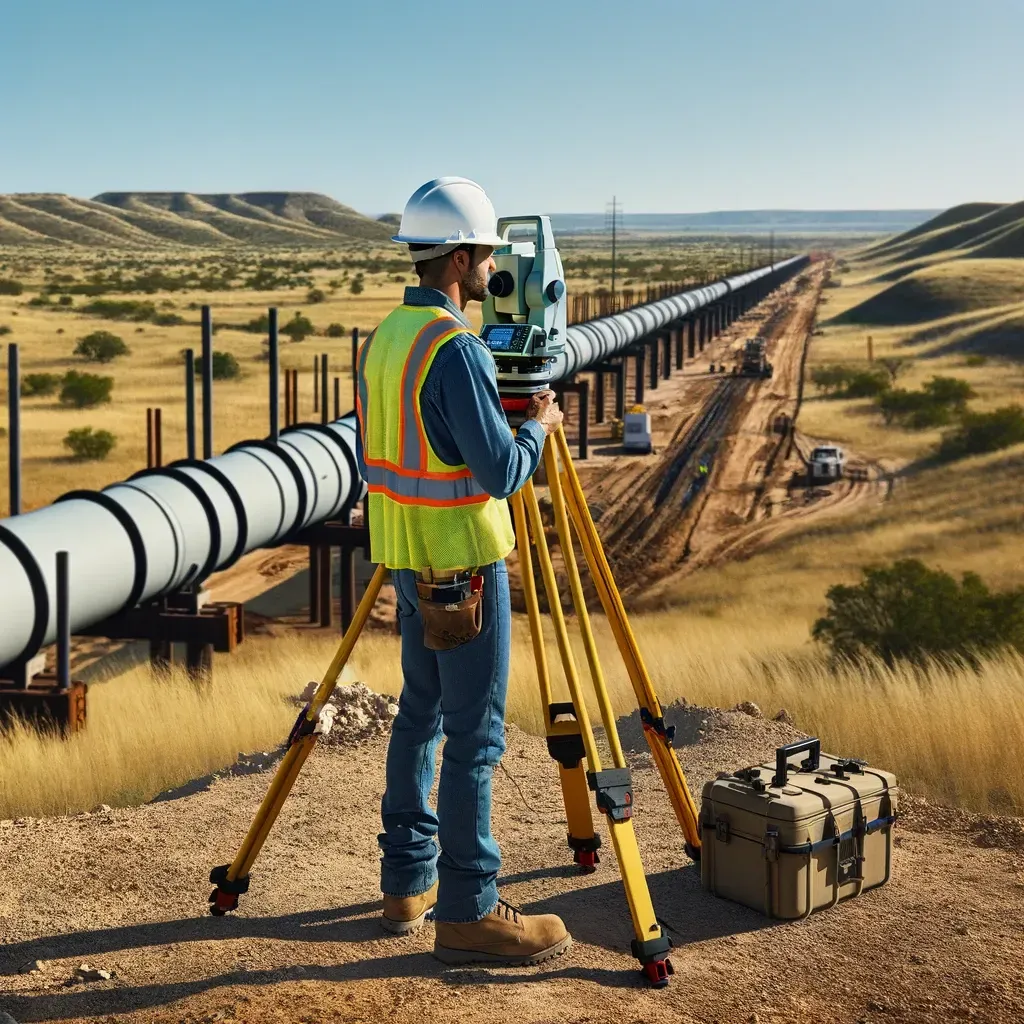
How Easements Affect Commercial Property in Texas
"Texas, often referred to as the Lone Star State, is a thriving hub for economic growth and innovation, making it an attractive destination for commercial real estate investment." - Chris Evans
How Easements Affect Commercial Property in Texas
When buying commercial property, most people focus on size, location, and price.
But one factor that can quietly impact a property’s usability is easements.
Understanding easements is essential for anyone purchasing or developing commercial land in Texas.
What Is an Easement?
An easement is a legal right that allows someone else to use a portion of your property for a specific purpose.
Common examples include:
Utility companies accessing power or water lines
Drainage systems running across a property
Shared driveways or access routes
Even though you own the land, easements may limit how certain areas can be used.
Why Easements Matter for Commercial Property
Easements can affect:
Where buildings can be placed
Parking layout
Expansion potential
Site design and development
In some cases, large easements can significantly reduce the usable portion of a property.
Not All Easements Are Obvious
Some easements are visible — like power lines or drainage channels.
Others are only documented in records and may not be obvious during a property walkthrough.
A professional survey helps identify both visible and recorded easements so buyers fully understand the property.
Easements Can Impact Property Value
Properties with heavy or poorly placed easements may be:
Harder to develop
Less flexible for future use
More difficult to finance
Understanding easements early helps buyers make better decisions.
Bottom Line
Easements are a normal part of commercial real estate, but they must be understood before purchasing or developing land.
At South Texas Surveying, we help Houston commercial buyers identify and understand easements so they can move forward with clarity.

