Mastering Land Surveying for Large Acreage in Texas
“Surveying large acreage in Texas requires a combination of traditional methods and modern technology.” - Fred Lawton
Mastering Land Surveying for Large Acreage in Texas
Land surveying large acreages in Texas presents unique challenges and opportunities. The vast and varied landscapes of Texas—from the rolling plains in the north to the rugged Hill Country in the south—require robust surveying techniques and the right technology to ensure accurate and efficient results. Here's what you need to know about surveying large acreages in the Lone Star State.
Challenges in Surveying Large Acreage
Surveying large parcels of land involves navigating a range of difficulties:
Vast Areas: The sheer size of properties can make the surveying process time-consuming and labor-intensive.
Varied Terrain: Texas's diverse topography can complicate access and measurements.
Environmental Factors: Weather conditions and wildlife can also impact the survey process.
Technologies and Techniques for Effective Surveying
1. Drone Technology:
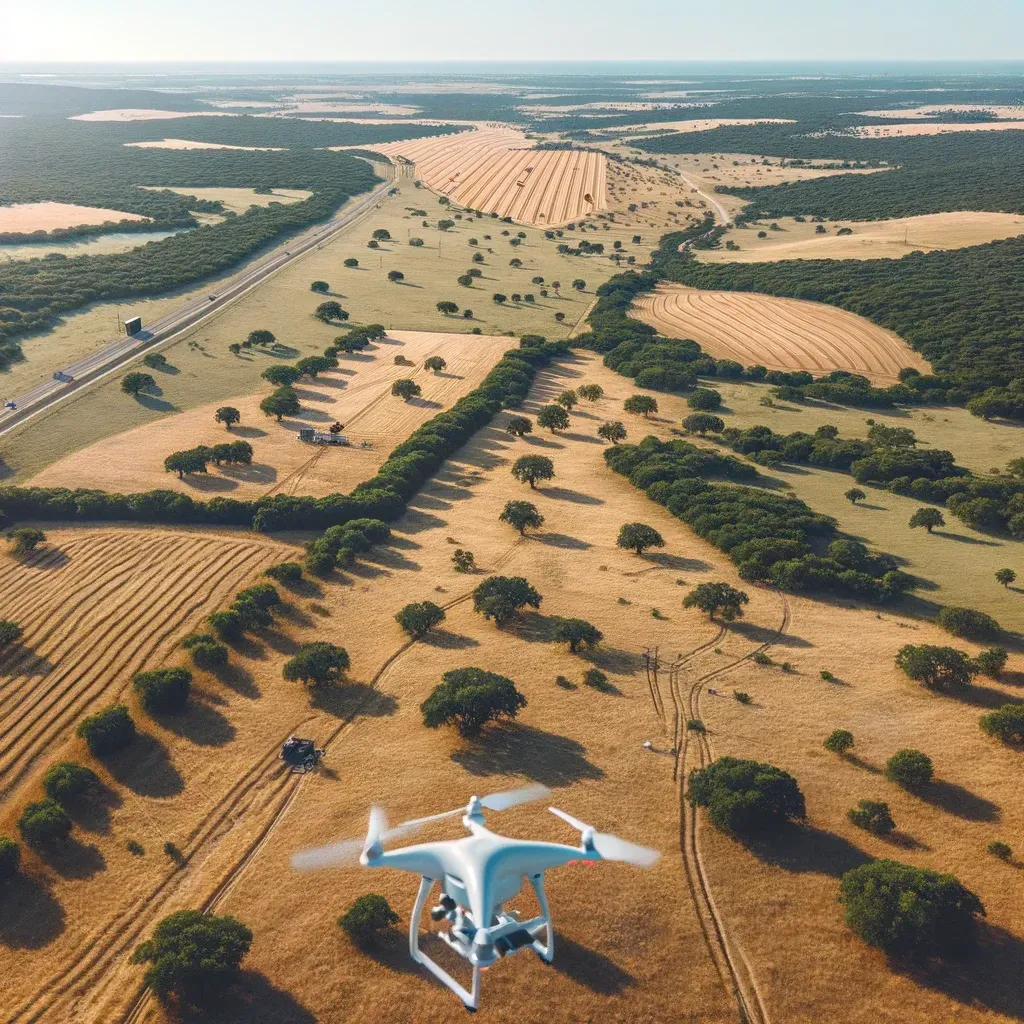
Drones have revolutionized land surveying, particularly for large acreages. Equipped with high-resolution cameras and GPS, drones can quickly cover vast areas, providing detailed topographic data and real-time imagery. This technology is especially useful in Texas, where properties can extend over thousands of acres.
2. GPS Surveying:
GPS technology allows for precise location tracking, essential for large-scale surveys. GPS devices can reduce errors and significantly speed up the surveying process by providing exact coordinates for property boundaries and features.
3. GIS Integration:
Geographic Information Systems (GIS) are used to store and analyze the data collected during surveys. For large acreages, GIS can help manage and visualize data effectively, aiding in decision-making and planning.
Practical Steps in Surveying Large Acreage
Initial Consultation:
Start by discussing your goals with a professional land surveyor. Whether you're planning development, resolving disputes, or preparing for a sale, a clear understanding of your objectives helps tailor the surveying process.
Review Historical Data:
Review existing surveys, deeds, and other documents. Historical data can provide insights and help guide the current surveying effort.
Field Work:
The survey team will conduct fieldwork using the chosen technologies. For large acreages, this phase can take several days and requires careful coordination.
Data Analysis and Reporting:
After collecting the data, surveyors will analyze it and prepare detailed reports and maps. These documents are crucial for any legal or development processes.
Ongoing Management:
Large properties often require ongoing survey management, especially if they're used for agricultural or developmental purposes. Regular updates and checks ensure that the property remains well-managed and any issues are addressed promptly.
Surveying large acreage in Texas requires a combination of traditional methods and modern technology. Companies like South Texas Surveying are equipped with the expertise and technology to handle these extensive projects, ensuring that every acre of your land is accurately measured and documented.

