What Is a Setback in Commercial Real Estate?
"Texas, often referred to as the Lone Star State, is a thriving hub for economic growth and innovation, making it an attractive destination for commercial real estate investment." - Chris Evans
What Is a Setback and How Does It Affect Commercial Property?
When evaluating commercial land, buyers often focus on size and location.
But one detail that quietly shapes what you can actually build is the setback.
What Is a Setback?
A setback is the required distance between a structure and the property line.
Setbacks are typically applied to:
Front property lines (road-facing)
Side property lines
Rear property lines
They are established by local regulations, development standards, or deed restrictions.
Why Setbacks Matter for Development
Setbacks directly impact how much of your property is buildable.
They can affect:
Building size and placement
Parking layout
Driveway positioning
Future expansion potential
A property may have plenty of acreage — but limited buildable space once setbacks are applied.
Setbacks Can Vary by Location
In Houston, setbacks may be influenced by:
City guidelines
Master-planned community standards
Road classification
Utility and drainage requirements
Two similar properties can have very different setback requirements depending on location.
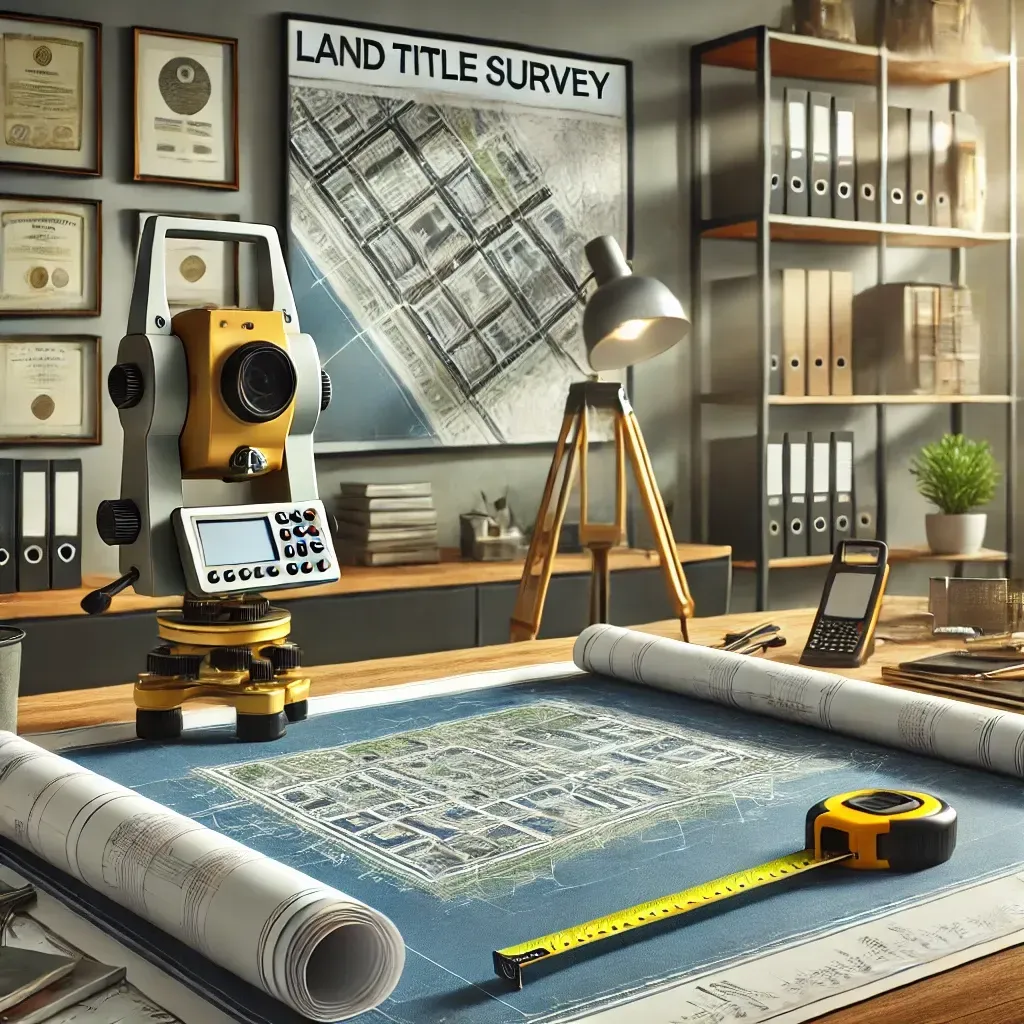
Surveys Help Visualize Setbacks
A survey helps show:
Property boundaries
Improvement locations
Distance between structures and lot lines
This makes it easier to understand how setbacks will affect your site layout before designing a project.
Bottom Line
Setbacks are one of the most important — and often overlooked — factors in commercial property development.
At South Texas Surveying, we help Houston commercial buyers understand their true buildable area before they commit.

