Surveying Texas Since 1980 Family Owned, Customer Devoted | Firm #10045400 | 281-556-6918

See Our Latest Blogs
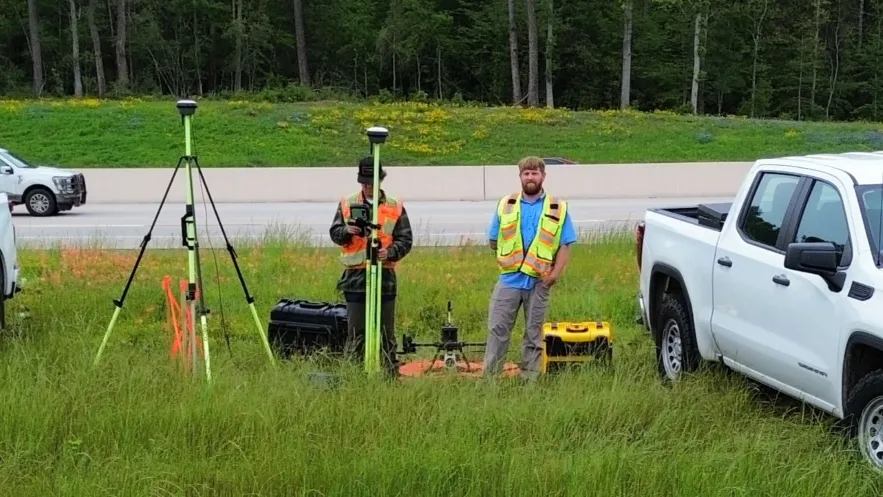
How Land Surveys Improve the Due Diligence Process for Investors in 2025
"Texas, often referred to as the Lone Star State, is a thriving hub for economic growth and innovation, making it an attractive destination for commercial real estate investment." - Chris Evans
How Land Surveys Improve the Due Diligence Process for Investors in 2025
In commercial real estate, success begins with due diligence. For investors, ensuring that a property meets their expectations and has no hidden challenges is critical. In 2025, land surveys have become an indispensable part of the due diligence process, providing accurate and detailed data that minimizes risks and improves investment outcomes.
This blog will explore how land surveys empower investors by uncovering zoning issues, encroachments, environmental concerns, and more, setting the stage for informed decisions and successful projects.
The Role of Land Surveys in Due Diligence
Due diligence is the process of thoroughly evaluating a property before making an investment. While financial, legal, and market analyses are essential, land surveys provide a physical and legal assessment of the property. They ensure that investors have a clear understanding of the land’s boundaries, features, and compliance with regulations.
Key benefits of land surveys during due diligence include:
Risk Reduction: Identifying potential legal or physical issues early.
Cost Savings: Avoiding unexpected expenses due to disputes or compliance failures.
Informed Decision-Making: Providing actionable data to guide investments.
How Land Surveys Reduce Risks for Investors
1. Uncovering Zoning Issues
Zoning laws dictate how properties can be used and developed. A zoning compliance survey ensures that the property aligns with its intended use and meets all legal requirements.
Common Zoning Issues Identified by Surveys:
Incompatible zoning classifications (e.g., residential vs. commercial).
Restrictions on building height, density, or setbacks.
Non-compliance with required green spaces or parking areas.
Example:
An investor planning to develop an office park in Houston discovered through a zoning compliance survey that part of the property was restricted to residential use. Early identification of this issue allowed the investor to adjust their plans and avoid costly redesigns.
2. Identifying Encroachments
Encroachments occur when structures or features, such as fences, buildings, or driveways, cross property lines. These can lead to disputes with neighbors, legal challenges, or delays in development.
How Surveys Help:
Boundary surveys define exact property lines, highlighting any encroachments.
Investors can address these issues before closing or adjust purchase terms accordingly.
Example:
A retail developer in Austin commissioned a boundary survey, which revealed that a neighboring property’s driveway encroached onto their lot. The issue was resolved through negotiation before the sale was finalized.
3. Highlighting Environmental Concerns
Environmental factors, such as flood risks, wetlands, or contaminated soil, can significantly impact a property’s development potential. Topographic and environmental surveys provide critical insights into these challenges.
Common Environmental Issues Identified by Surveys:
Properties located in floodplains or with poor drainage.
Soil conditions unsuitable for construction.
Contaminated land requiring remediation.
Example:
A commercial real estate firm in San Antonio avoided a costly mistake by using a survey to identify a flood-prone area on a potential development site. The data allowed them to adjust their plans and include appropriate mitigation measures.
4. Documenting Easements and Rights of Way
Easements grant others the legal right to use part of a property for specific purposes, such as utilities or access. While easements don’t transfer ownership, they can limit how the property is used.
How Surveys Help:
Identify all existing easements and their impact on the property.
Ensure compliance with legal agreements governing easement use.
Example:
A developer in Dallas discovered a utility easement running through the center of their property during the due diligence process. This information helped them adjust the site layout to accommodate the easement while minimizing its impact on the project.
Leveraging Technology in 2025 for Accurate Land Surveys
Modern surveying tools have revolutionized the due diligence process, making land surveys faster, more accurate, and comprehensive. Key technologies include:
Drones: Provide aerial imagery and topographic data for large or complex properties.
LiDAR Technology: Captures precise elevation data, even in areas with dense vegetation or uneven terrain.
GIS Mapping: Combines survey data with zoning maps, infrastructure plans, and environmental overlays for a complete analysis.
3D Modeling: Offers interactive visualizations of the property, allowing investors to assess potential issues and opportunities.
These tools ensure that investors receive reliable data to support their due diligence efforts.
Case Study: Successful Due Diligence with Land Surveys
A commercial investor in Fort Worth planned to acquire a 15-acre property for a mixed-use development. Before finalizing the purchase, they commissioned a series of surveys, including:
A boundary survey to confirm property lines and identify encroachments.
A zoning compliance survey to ensure the property allowed for mixed-use development.
A topographic survey to evaluate drainage and terrain.
The surveys uncovered:
An encroachment from a neighboring property’s fence.
A section of the land located in a floodplain.
Zoning restrictions requiring additional parking spaces.
Using this data, the investor renegotiated the purchase price, addressed the encroachment, and incorporated flood mitigation and parking solutions into the project design. The proactive approach saved time, reduced costs, and set the stage for a successful development.
Why Choose South Texas Surveying for Due Diligence?
At South Texas Surveying, we understand the importance of accurate and timely data for real estate investments. Our team uses cutting-edge technology and local expertise to deliver comprehensive land surveys tailored to your needs.
Whether you’re evaluating a property for purchase or planning a development, we provide the insights you need to reduce risks and maximize returns.
Final Thoughts
Land surveys are an essential part of the due diligence process, helping investors uncover potential issues and make informed decisions. In 2025, as commercial real estate becomes increasingly complex, relying on accurate and detailed survey data is more important than ever.
If you’re planning a commercial real estate investment, contact South Texas Surveying today. Let us help you navigate the due diligence process with confidence and precision.

Delivering Land Surveys with Attention to Detail
George Owens
Commercial Broker

I have worked with many surveying companies, but South Texas Surveying stands out for their exceptional professionalism, attention to detail, and commitment to their clients.
Kim Wexler
Project Manager
Their accurate and thorough surveys make my job a lot easier, their ability to communicate effectively with all parties involved is commendable. I highly recommend South Texas Surveying.
James Cart
Homeowner
As a new homeowner, I was thoroughly impressed with the professional service provided by South Texas Surveying. I high recommend their services to any one buying a home in Houston.
Contact Us
Email: [email protected]
Office Address: 11281 Richmond Ave
BLDG J, Suite 101,
Houston, TX 77082
Office Hours: Mon – Fri 8:00am – 5:00pm
Office Phone Number: 281-556-6918
11281 Richmond Ave
BLDG J, Suite 101,
Houston, TX 77082
Firm Number: 10045400
Resources
© Copyright 2024 South Texas Surveying Associates